PRÁTICA COM QUESTÕES OFICIAIS
Questão 87 (1º semestre) da UFG 2014 (inglês)
Read the text below and answer questions 85, 86 and 87. · 1ª etapa
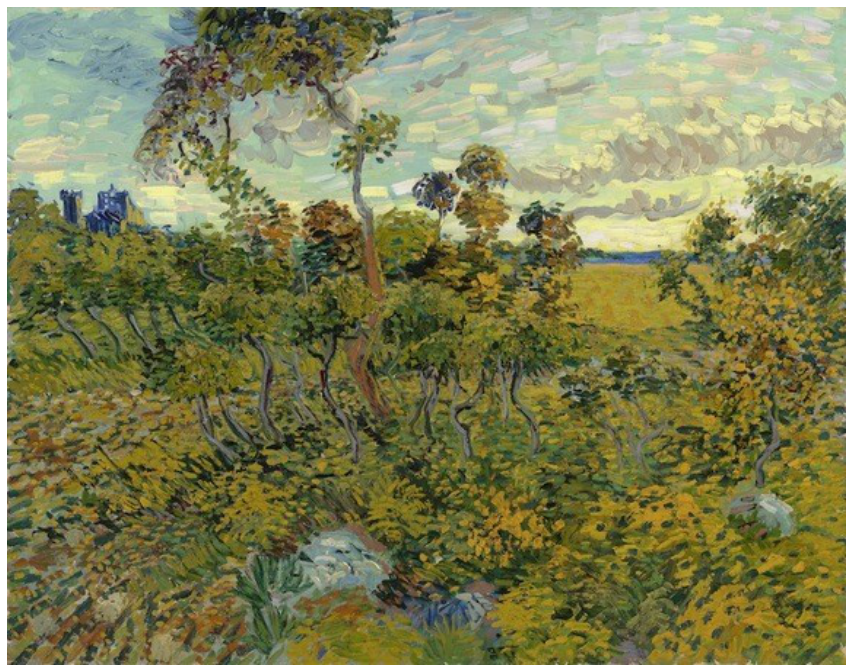
Long-Lost Van Gogh Painting Discovered
by Megan Gannon, September 09, 2013
A major new painting by Vincent van Gogh has been discovered. It is called, “Sunset at Montmajour”.
The Van Gogh Museum in Amsterdam unveiled the long-lost landscape painting today (Sept. 9) following an investigation that showed the style, technique, paint, canvas and subject matter matched with other works from the peak of the Dutch artist's career.
The painting originally belonged to the collection of Theo van Gogh, the artist's brother, and was sold in 1901. Shortly thereafter, the artwork ended up in the hands of a Norwegian collector who tucked it away in his attic after it was declared a fake.
As recently as the 1990s, the painting's authenticity was rejected by the museum. But now the researchers say, “Stylistically and technically speaking, there are plenty of parallels with other paintings by van Gogh from the summer of 1888”.
The newly identified painting also shows signs of the same discoloration that has come to characterize van Gogh's work in recent years. The bright yellows in many of his paintings have been turning into muddy browns.
The researchers even found two references to the work in van Gogh's letters, in which he is critical of the painting and declared it unsuccessful.
Disponível em: <http://LiveScience.htm>. Acesso em: 12 set. 2013. (Adaptado).
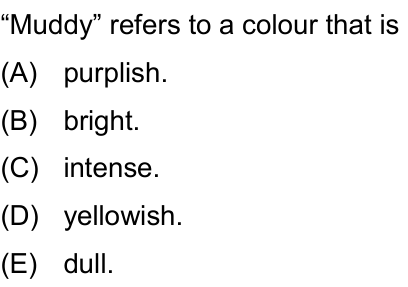
“Muddy” refers to a colour that is
- Apurplish.
- Bbright.
- Cintense.
- Dyellowish.
- Edull.
Você já respondeu questões neste aparelho. Crie sua conta grátis para guardar o histórico e refazer as que errou.
Resposta salva no seu histórico.
Reportar erro na questão
Resolução comentada
A frase do texto é: "The bright yellows in many of his paintings have been turning into muddy browns" (os amarelos brilhantes estão se transformando em marrons "muddy").
- Mud significa lama. Muddy é o adjetivo derivado: "lamacento". Aplicado a uma cor, indica um tom turvo, sujo, sem vivacidade.
- O texto monta uma oposição: de um lado, bright yellows (amarelos vivos); do outro, muddy browns (marrons de lama). A mudança descrita é de cor viva para cor apagada, o que o texto chama de discoloration (descoloração).
- Logo, muddy é o contrário de bright e de intense. Quer dizer um tom sem brilho, opaco, em inglês dull.
- Nenhuma alternativa de cor específica serve: purplish é arroxeado e yellowish é amarelado. O texto diz que o amarelo virou marrom, e muddy qualifica o marrom, não aponta um matiz.
Portanto, muddy se refere a uma cor opaca, sem brilho.
Alternativa E.
Por que as outras alternativas estão erradas
- APurplish é arroxeado; o texto não menciona roxo, e muddy descreve o marrom.
- BBright (brilhante) é justamente o oposto de muddy, usado para os amarelos originais.
- CIntense indica cor forte e viva, o contrário do efeito de descoloração descrito.
- DYellowish é amarelado; os amarelos viraram marrons, e muddy não indica matiz amarelo.
Assunto: Vocabulário em contexto e falsos cognatos.
Reportar erro na resolução
Ver como caiu na prova
Fonte: UFG 2014 · 1º semestre · 1ª etapa. Prova oficial ↗