PRÁTICA COM QUESTÕES OFICIAIS
Questão 3 (Inglês) do ITA 2012
Texto-base das questões 01 a 03 · Inglês
As questões de 1a 3 referem-se ao texto abaixo.
THURSDAY, DECEMBER 16, 2010.
Newsweek Article: Bullying and Empathy (Kate Altman, M.S.)
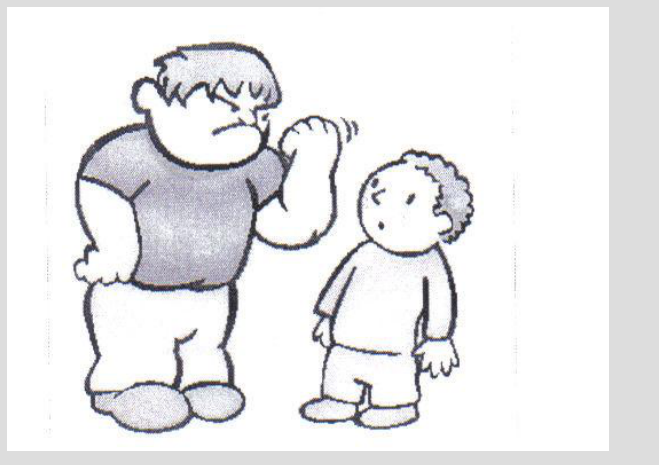
Newsweek offers an article on how schools are using empathy-training programs in an effort to reduce bullying in schools: http://www.newsweek.com/2010/12/15/can-schools-teach-kids-not-to-bully.html
The effective_____ of such programs is unclear at this point, and experts are divided on whether it makes more sense to offer the programs to young children (elementary school age) or older children (middle school age) (both, is probably the answer). High school kids are simply difficult to reach logistically, since they all have different schedules all day. Unsurprisingly, some experts have found that the most important component to empathy training is to include the parents.
In assessing these programs and the broader issues of empathy-training and bullying, there are multiple factors to consider and no clear answers. First of all, empathy is one of the most difficult and least-understood skills we can develop – adults and kids alike. Empathy is the process of viewing and understanding the world through another’s experience, and it is often confused with sympathy, which is, essentially, compassion and lacks the “walking in another’s shoes” component (which is not to say it is not an admirable trait, it’s just different from empathy). Developmentally, children may not be able to truly understand and practice empathy until they are closer to the pre-teen years, but introducing the concept early and often is a good primer for its later development.
Another big question to consider: are programs focused on empathy simply band-aids on much larger, more systemic problems? Why are kids bullying other kids in the first place? What family issues, societal issues, educational issues, are contributing to the need/urge to humiliate and attack other children for some sort of personal gain and satisfaction? My guess is that for many kids, participating in a brief (or even a few brief) empathy-skills seminars simply is not enough, and will not get at the root(s) of the problems(s), no matter how young they are when the programs begin.
I’m not saying that the programs are not a good idea. I imagine that they have a lot of benefits and could especially help kids who would not necessarily be bullies themselves, but may have quietly stood by while witnessing bullying, to become more confident about standing up to/reporting bullies. However, to truly reduce bullying, society and schools need to find ways to identify and work with aggressive children and their families from a young age — to troubleshoot factors (from not having basic needs met, to divorce, to models of aggression in the home, etc.) that contribute to triggering aggressive behavior. Such an approach would be expensive and time- consuming and would command a lot of schools’ resources, but it is hard to imagine a more lightweight approach being nearly as effective.
Segundo o texto,
- Aé difícil incluir os alunos de ensino médio nos empathy training programs, por serem mais velhos e demandarem uma abordagem diferenciada.
- Bo componente mais importante na empatia é a relação familiar.
- Csimpatia está estritamente relacionada à empatia.
- Dé inútil trabalhar o conceito de empatia anteriormente à pré-adolescência.
- Ehá, provavelmente, fatores mais determinantes para a prática de bullying do que a falta de empatia.
Você já respondeu questões neste aparelho. Crie sua conta grátis para guardar o histórico e refazer as que errou.
Resposta salva no seu histórico.
Reportar erro na questão
Resolução comentada
Vamos conferir cada alternativa com o que o texto diz.
-
(A) O texto afirma que os alunos do ensino médio são difíceis de alcançar logisticamente, porque cada um tem horários diferentes. A razão não é a idade nem a necessidade de outra abordagem.
-
(B) O texto diz que, para os especialistas, incluir os pais é o componente mais importante do treinamento de empatia. Isso não significa que a relação familiar seja o componente mais importante da empatia em si.
-
(C) O texto diz que empatia é frequentemente confundida com simpatia, mas que a simpatia não tem o componente de "colocar-se no lugar do outro". Elas são diferentes, não estritamente relacionadas.
-
(D) O texto diz que talvez as crianças só compreendam a empatia de fato perto da pré-adolescência, mas que apresentar o conceito cedo e com frequência é um bom primer (preparação) para o desenvolvimento posterior. Logo, não é inútil.
-
(E) O terceiro parágrafo pergunta por que as crianças praticam bullying e cita problemas familiares, sociais e educacionais. A autora afirma que seminários de empatia não bastam e que é preciso chegar à raiz do problema (necessidades básicas não atendidas, divórcio, modelos de agressão em casa). Portanto, provavelmente há fatores mais determinantes do que a falta de empatia.
Alternativa E.
Pegadinha: A alternativa B engana por trocar "componente mais importante do treinamento de empatia" (incluir os pais) por "componente mais importante na empatia".
Por que as outras alternativas estão erradas
- AO texto atribui a dificuldade à logística (horários diferentes), não à idade nem à necessidade de abordagem diferenciada.
- BA família é apontada como o componente mais importante do treinamento, não da empatia em si.
- CO texto diferencia empatia de simpatia: a simpatia não inclui o "walking in another's shoes".
- DO texto diz que introduzir o conceito cedo é um bom primer para o desenvolvimento posterior, então não é inútil.
Assunto: Informações explícitas e detalhes.
Reportar erro na resolução
Ver como caiu na prova

Fonte: ITA 2012 · Inglês. Prova oficial ↗