Questão 79 da FUVEST 2007
Texto para as questões de 78 a 80
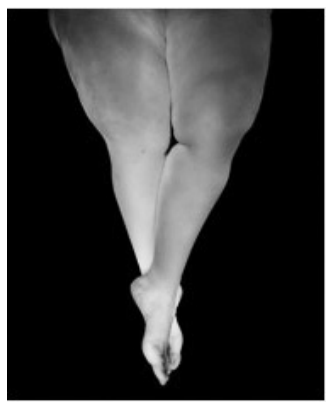
“Researchers and public-health officials have long understood that to maintain a given weight, energy in (calories consumed) must equal energy out (calories expended). But then they learned that genes were important, too, and that for some people this formula was tilted in a direction that led to weight gain. Since the discovery of the first obesity gene in 1994, scientists have found about 50 genes involved in obesity. Some of them determine how individuals lay down fat and metabolize energy stores. Others regulate how much people want to eat in the first place, how they know when they’ve had enough and how likely they are to use up calories through activities ranging from fidgeting to running marathons. People who can get fat on very little fuel may be genetically programmed to survive in harsher environments. When the human species got its start, it was an advantage to be efficient. Today, when food is plentiful, it is a hazard.”
http://www.nytimes.com/2006/08/13/magazine/13obesity.html.
According to the text,
- Atoday’s obesity may be linked to evolutionary factors.
- Bthe human species is programmed to eat as much as possible to survive.
- Cthe ingestion of large quantities of food was an advantage in the past.
- Dobese people have some advantages over slim people.
- Every little food is necessary to survive in some environments.
Reportar erro na questão
Resolução comentada
O trecho decisivo está no final do texto: "People who can get fat on very little fuel may be genetically programmed to survive in harsher environments. When the human species got its start, it was an advantage to be efficient. Today, when food is plentiful, it is a hazard."
Tradução: pessoas que engordam com pouquíssimo "combustível" podem ser geneticamente programadas para sobreviver em ambientes mais duros. No início da espécie humana, ser eficiente era vantagem; hoje, com comida em abundância, isso é um risco.
O texto liga, portanto, a obesidade atual a uma característica genética que foi vantajosa na evolução da espécie. Isso é exatamente o que diz a alternativa A.
Conferindo as demais:
- O texto fala em ser eficiente (gastar pouca energia), não em comer o máximo possível.
- Não diz que comer muito era vantagem, e sim que usar bem pouca energia era.
- Não compara vantagens de obesos e magros hoje; diz que, hoje, a eficiência é um perigo.
- A ideia de "muito pouco alimento" aparece como condição do ambiente, mas o texto não afirma que isso basta para sobreviver.
Alternativa A.
Por que as outras alternativas estão erradas
- BO texto não diz que a espécie é programada para comer o máximo; fala de eficiência no uso da energia.
- CA vantagem no passado era engordar com pouco combustível, não ingerir grandes quantidades de comida.
- DO texto não compara obesos e magros; hoje a eficiência energética é vista como um perigo.
- EDistorce o trecho: 'very little fuel' se refere a quem engorda com pouco, não a quanto alimento é necessário para sobreviver.
Assuntos: interpretação de texto em inglês, genética e evolução.
Reportar erro na resolução
Ver como caiu na prova