Questão 78 da FUVEST 2007
Texto para as questões de 78 a 80
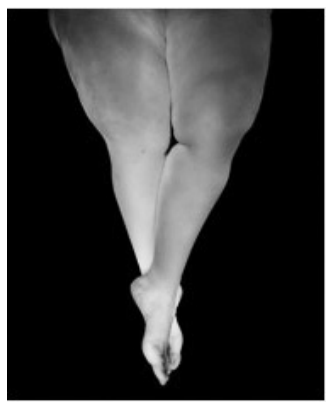
“Researchers and public-health officials have long understood that to maintain a given weight, energy in (calories consumed) must equal energy out (calories expended). But then they learned that genes were important, too, and that for some people this formula was tilted in a direction that led to weight gain. Since the discovery of the first obesity gene in 1994, scientists have found about 50 genes involved in obesity. Some of them determine how individuals lay down fat and metabolize energy stores. Others regulate how much people want to eat in the first place, how they know when they’ve had enough and how likely they are to use up calories through activities ranging from fidgeting to running marathons. People who can get fat on very little fuel may be genetically programmed to survive in harsher environments. When the human species got its start, it was an advantage to be efficient. Today, when food is plentiful, it is a hazard.”
http://www.nytimes.com/2006/08/13/magazine/13obesity.html.
In the text, the central idea is that
- Aobesity should be genetically treated.
- Bfat people may use different formulae to lose weight.
- Cfat regulates our feeling of satiety.
- Dgenes contribute to obesity.
- Eresearchers are discussing the consequences of obesity.
Reportar erro na questão
Resolução comentada
A pergunta é pela ideia central, isto é, aquilo que o texto como um todo defende, e não por um detalhe isolado.
O texto começa com a fórmula tradicional: para manter o peso, a energia que entra (calorias consumidas) deve ser igual à energia que sai (calorias gastas). Depois vem o ponto de virada, marcado por "But then they learned that genes were important, too" ("mas depois aprenderam que os genes também eram importantes"). Para algumas pessoas, essa fórmula "was tilted" ("era inclinada") para o ganho de peso.
O restante do trecho desenvolve essa ideia: já foram achados cerca de 50 genes ligados à obesidade. Uns determinam como o corpo armazena gordura e metaboliza energia. Outros regulam a fome, a saciedade e a tendência a gastar calorias. Por fim, o texto explica que ser "eficiente" com pouca energia foi vantagem evolutiva e hoje, com comida abundante, virou risco.
Tudo isso mostra que os genes contribuem para a obesidade. É a única alternativa que resume o texto inteiro, sem acrescentar nada que ele não diga.
Alternativa D.
Por que as outras alternativas estão erradas
- AO texto não fala em tratar a obesidade geneticamente; apenas descreve a influência dos genes.
- BA "fórmula" é a do balanço energético, e o texto não diz que obesos usam fórmulas diferentes para emagrecer.
- CQuem regula a saciedade são genes, não a gordura; além disso, é só um detalhe, não a ideia central.
- EO texto trata das causas genéticas da obesidade, não de pesquisadores discutindo suas consequências.
Assuntos: interpretação de texto em inglês, ideia central.
Reportar erro na resolução
Ver como caiu na prova