PRÁTICA COM QUESTÕES OFICIAIS
Questão 86 da FUVEST 2006
Texto-base das questões 85 a 88
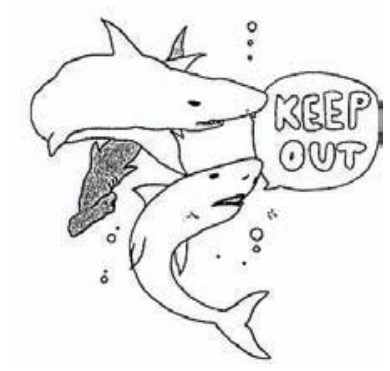
Australians are not known for their love of boat people. They famously turned away a small group of Afghan refugees at the height of the war and rather amusingly, ran a scare campaign featuring crocodiles and sharks to deter would-be immigrants. But if global warming continues at its current rate, neighbouring Pacific islands could be lost to floods and Australia will be facing a new kind of intruder: climate refugees.
Although the Red Cross produced a report four years ago estimating that 58 per cent of refugees are caused by environmental factors, no one has made any attempt to tackle the issue. Oxford University’s Norman Myers recently claimed that there could be an estimated 150 million environmental refugees within the next 50 years, and half of these could land on Australia’s doorstep. But the UN refuses to grant them refugee status, and aid groups and environmentalists squabble over whose responsibility they are.
DAZED & CONFUSED July 2005
The passage says that Afghan refugees
- Abecame famous when they tried to enter Australia by boat.
- Bfound Australia’s scare campaign rather amusing.
- Clooked for shelter in Australia during the Afghanistan war.
- Dwere sent away from Australia at the end of the Afghanistan war.
- Ewere scared when they saw Australia’s crocodiles and sharks.
Você já respondeu questões neste aparelho. Crie sua conta grátis para guardar o histórico e refazer as que errou.
Resposta salva no seu histórico.
Reportar erro na questão
Resolução comentada
O trecho que fala dos afegãos é: "They famously turned away a small group of Afghan refugees at the height of the war". Traduzindo: os australianos "recusaram, de forma notória, um pequeno grupo de refugiados afegãos no auge da guerra".
Os pontos decisivos são:
- turned away significa mandar embora, recusar a entrada. Quem fez isso foram os australianos, e os refugiados sofreram a ação.
- at the height of the war significa "no auge da guerra", ou seja, no meio do conflito, não no fim.
- Se os refugiados foram recusados durante a guerra, é porque tentavam entrar na Austrália naquele momento, em busca de abrigo por causa do conflito.
O que o texto diz sobre crocodilos e tubarões é outra coisa: a campanha de intimidação, descrita como "rather amusing" pelo autor, serve para dissuadir futuros imigrantes (would-be immigrants). Não se afirma que os afegãos a viram nem que se assustaram com ela. Também não se diz que ficaram famosos: famously qualifica a atitude dos australianos.
A única alternativa coerente com o texto é a que diz que os afegãos buscaram abrigo na Austrália durante a guerra no Afeganistão.
Alternativa C.
Pegadinha: A alternativa D engana por trocar "no auge da guerra" por "no fim da guerra"; a E mistura a campanha de crocodilos e tubarões com os afegãos.
Por que as outras alternativas estão erradas
- A"famously" descreve a atitude dos australianos de recusar os refugiados, não diz que os afegãos ficaram famosos.
- B"rather amusing" é o julgamento do autor sobre a campanha, não a reação dos refugiados.
- Dos refugiados foram recusados no auge da guerra ("at the height of the war"), não ao final.
- Ea campanha com crocodilos e tubarões visava imigrantes em potencial; o texto não fala de medo dos afegãos.
Assunto: Informações explícitas e detalhes.
Reportar erro na resolução
Ver como caiu na prova