PRÁTICA COM QUESTÕES OFICIAIS
Questão 3 (Inglês) do ITA 2011
Texto-base das questões 01 a 03 · Inglês
As questões de 1 a 3 referem-se ao seguinte texto:
8
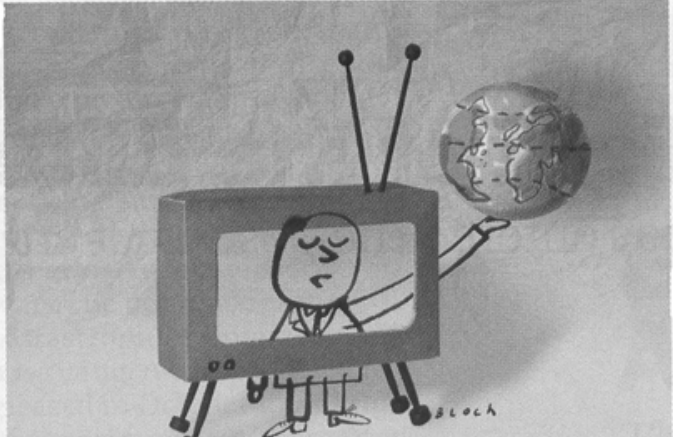
TV Will Save the WorldIn a lot of places, it’s the next big thing
BY CHARLES KENNY
FORGET TWITTER AND FACEbook, Google and the Kindle. Forget the latest sleek iGadget. Television is still the most influential medium around. Indeed, for many of the poorest regions of the world, it remains the next big thing—poised, finally, to attain truly global ubiquity. And that is a good thing, because the TV revolution is changing lives for the better.
Across the developing world, around 45% of households had a TV in 1995; by 2005 the number had climbed above 60%. That’s some way behind the U.S., where there are more TVs than people, but it dwarfs worldwide Internet access. Five million more households in sub-Saharan Africa will get a TV over the next five years. In 2005, after the fall of the Taliban, which had outlawed TV, 1 in 5 Afghans had one. The global total is another 150 million by 2013—pushing the numbers to well beyond two-thirds of households.
Television’s most transformative impact will be on the lives of women. In India, researchers Robert Jensen and Emily Oster found that when cable TV reached villages, women were more likely to go to the market without their husbands’ permission and less likely to want a boy rather than a girl. They were more likely to make decisions over child health care and less likely to think that men had the right to beat their wives. TV is also a powerful medium for adult education. In the Indian state of Gujarat, Chitrageet is a hugely popular show that plays Bollywood song and dance clips. The routines are subtitled in Gujarati. Within six months, viewers had made a small but significant improvement in their reading skills.
Too much TV has been associated with violence, obesity and social isolation. But TV is having a positive impact on the lives of billions worldwide, and as the spread of mobile TV, video cameras and YouTube democratize both access and content, it will become an even greater force for humbling tyrannical governments and tyrannical husbands alike. ■
Kenny, a development economist, is the author of a forthcoming book on innovation, ideas and the global standard of living
TIME, March 22, 2010
Segundo o texto, um dos impactos que a TV a cabo trouxe para a vida das mulheres indianas foi que elas
- Apassaram a gostar de ir ao mercado sem a permissão de seus maridos.
- Bficaram menos propensas a preferir ter um filho a uma filha.
- Cse mostraram mais dispostas a fazer compras sozinhas.
- Dainda acham que os maridos têm o direito de agredir suas esposas, apesar de já criticarem esta prática.
- Enão gostam mais de tomar decisões sobre os cuidados com a saúde das crianças.
Você já respondeu questões neste aparelho. Crie sua conta grátis para guardar o histórico e refazer as que errou.
Resposta salva no seu histórico.
Reportar erro na questão
Resolução comentada
O trecho decisivo está no terceiro parágrafo: quando a TV a cabo chegou às aldeias indianas, as mulheres "were more likely to go to the market without their husbands' permission and less likely to want a boy rather than a girl".
Vamos traduzir:
- more likely to go to the market without their husbands' permission: mais propensas a ir ao mercado sem a permissão dos maridos. O texto fala de uma atitude, não de gostar de fazê-lo.
- less likely to want a boy rather than a girl: menos propensas a querer um menino em vez de uma menina, ou seja, menos propensas a preferir um filho a uma filha.
- more likely to make decisions over child health care: mais propensas a decidir sobre a saúde dos filhos, o oposto da alternativa E.
- less likely to think that men had the right to beat their wives: menos propensas a achar que os homens têm direito de bater nas esposas, o oposto da alternativa D.
A alternativa B reproduz fielmente a segunda informação.
Alternativa B.
Por que as outras alternativas estão erradas
- AO texto não diz que elas passaram a gostar de ir ao mercado sem permissão, apenas que ficaram mais propensas a ir.
- CFala em fazer compras sozinhas, mas o texto trata de ir ao mercado sem a permissão dos maridos, e não de estarem mais dispostas a comprar.
- DInverte o texto: elas ficaram menos propensas a achar que os homens têm direito de bater nas esposas.
- EInverte o texto: elas ficaram mais propensas a decidir sobre a saúde das crianças.
Assunto: Informações explícitas e detalhes.
Reportar erro na resolução
Ver como caiu na prova

Fonte: ITA 2011 · Inglês. Prova oficial ↗